What did scientists find?
Scientists studied Venus using radar. Radar sends out invisible signals that bounce off things and come back, a bit like how a bat finds its way in the dark using sound.
When they looked at the bounced-back signals, they spotted clues that a huge lava tube might be hiding just under the surface. They cannot see it with their eyes — they are reading the radar clues like a detective.
What is a lava tube anyway?
A lava tube is a long tunnel made by flowing lava. When a volcano erupts, hot lava streams across the ground. The outside of the stream cools and turns hard, but inside, the lava keeps flowing.
When the lava finally drains away, it leaves an empty tunnel behind — like a giant straw made of rock. We have lava tubes on Earth and on the Moon, too!
Why Venus is such a wild place
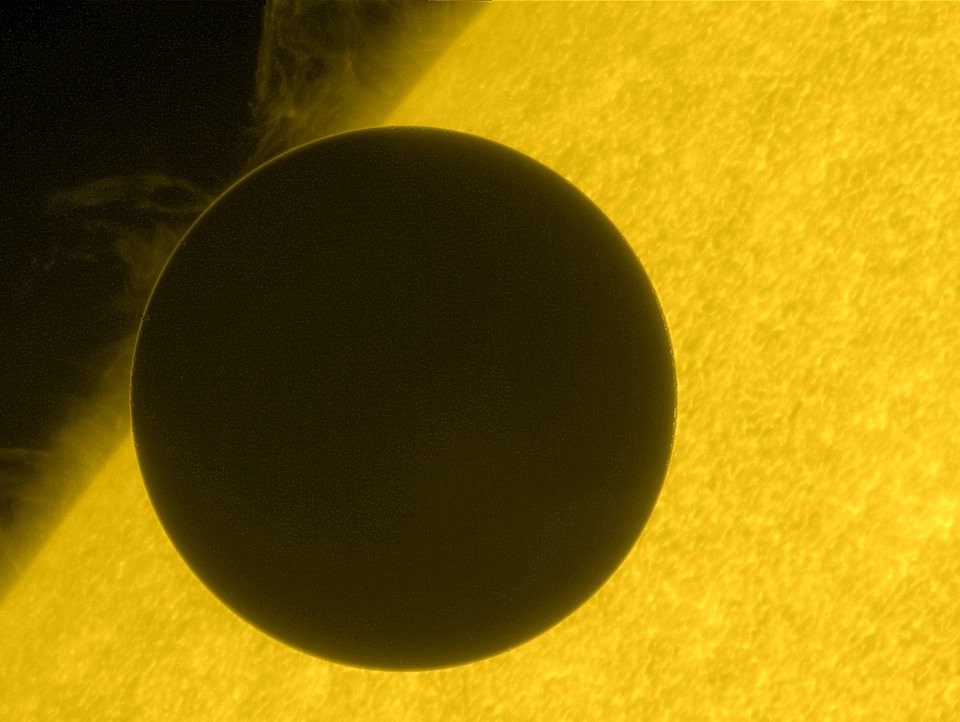
Venus is the second planet from the Sun and is often called Earth's 'twin' because it is about the same size. But it is not a friendly twin at all.
Venus is the hottest planet in our solar system. Its surface is around 464°C — hot enough to melt the metal lead. It is also covered in thick clouds and crushing air, which is why we use radar to peek at its surface instead of normal cameras.
Why a hidden tunnel matters
Venus is covered with volcanoes, so finding signs of a lava tube tells scientists that lava really did flow across its surface, just like on Earth.
Studying these tunnels helps us learn how Venus formed and changed over billions of years. Each new clue is like another puzzle piece in the story of our neighbor planet.
Could explorers ever visit?
Sending a robot to Venus is super tricky because of the heat and pressure. Most landers only survive a short time before they stop working.
One day, special tough robots might explore caves and tunnels on other worlds. On the Moon and Mars, scientists think lava tubes could even shelter future astronauts from danger. It is amazing to imagine a tunnel waiting quietly under another planet for someone to discover it!