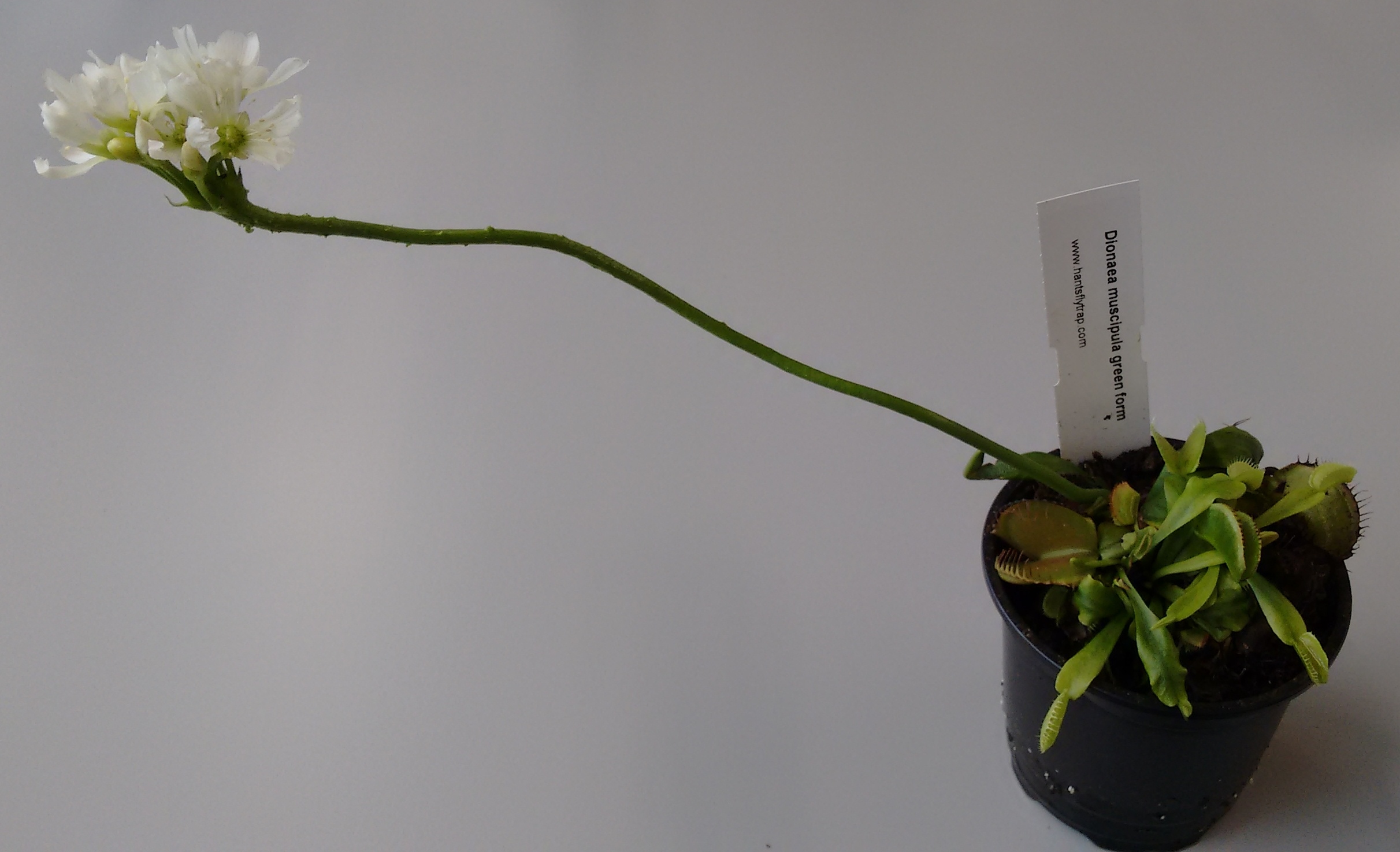
A Plant That Eats Bugs
Most plants make their food from sunlight, water, and air. But the Venus flytrap likes a little snack of insects too! It grows in wet, sandy places where the soil is poor, so catching bugs gives it extra goodness.
Each trap looks like a tiny open mouth with spiky edges, almost like green eyelashes. When a fly or ant walks inside, the trap can close in less than the time it takes you to blink.
Counting Tiny Touches
Inside each trap are little hairs called trigger hairs. They work like a counting game. If a bug touches one hair just once, nothing happens. The plant waits.
But if the bug touches a hair twice, or touches two hairs, the trap snaps shut! This clever counting helps the plant make sure it caught a real bug and not just a raindrop or a piece of dust.
The Secret to the Speed
The Venus flytrap has no muscles like you do. So how does it move so fast? Scientists found the answer in the shape of its leaves.
The leaves are curved and stretched tight, a bit like a bent plastic ruler ready to spring back. When the trap is triggered, the leaves quickly flip their curve. Snap! This sudden change is what makes the trap close in a flash.
What Happens After the Snap
Once the trap closes, the spiky edges lock together like the bars of a tiny cage. The bug cannot escape. Then the plant slowly squeezes the trap tighter.
Next, the flytrap makes a special juice that breaks down the bug, a bit like how your tummy digests food. After about five days, the trap opens again, ready for its next meal.
Why Scientists Care
Studying the Venus flytrap helps scientists understand how living things can move quickly without muscles. That is a really tricky puzzle in nature.
Engineers even look at the flytrap for ideas to build fast-moving robots and soft machines. A plant in a flowerpot might help inventors design the gadgets of the future!