Why computers don't like heat
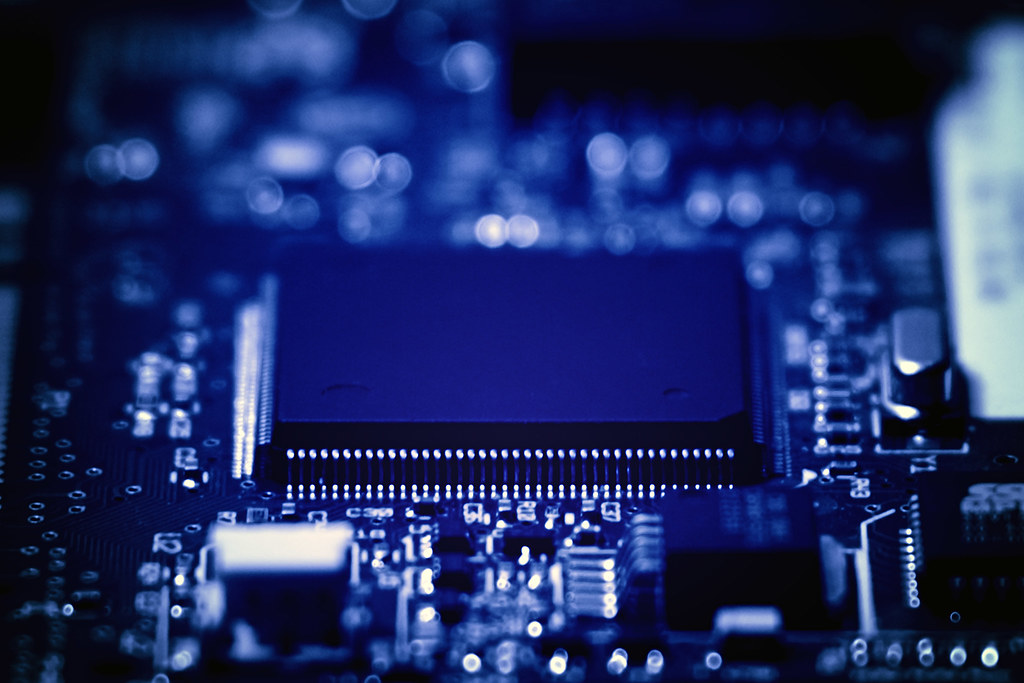
The chips inside phones, laptops, and game consoles are amazing, but they have a weakness: heat. When they get too hot, they start to make mistakes or stop working completely.
That is why computers have little fans and cooling parts inside. The fans blow heat away to keep everything calm and working, like a tiny air conditioner for your gadgets.
What scientists invented
Researchers built a new memory device that can keep remembering information even when it gets blazing hot — far hotter than your kitchen oven.
Memory is the part of a computer that stores data, like your saved game or your photos. This new memory holds onto that data without losing it, even in extreme heat where normal chips would fail.
How does it stay so cool under pressure?
The trick is using special materials that don't get confused when they heat up. Many of these new devices use a material called a ferroelectric, which can flip between two states to store a '1' or a '0' — the basic language of computers.
These materials stay stable when hot, a bit like how a heavy rock doesn't move in a strong wind. So the data stays put even when the heat is turned way up.
Where could we use it?
Think about places that are really hot. Deep inside a car or jet engine. Near a volcano that scientists want to study. Or even on spacecraft flying close to the Sun or landing on a scorching planet like Venus.
A robot or sensor sent to those places needs a brain that won't melt down. Heat-proof memory could let machines keep working and sending us useful information from the hottest spots on Earth and beyond.
What happens next
This is still new technology. Scientists need to test it more and make it cheaper and easier to build before it shows up in everyday machines.
But it's an exciting step. One day, the gadgets and explorers we send into fiery places might owe their smart memories to discoveries being made in labs right now.