A World We Have Barely Seen
The Pacific Ocean is the biggest ocean on Earth. It is so huge that it could hold all the land on our planet with room to spare. But here is something surprising: we have better maps of the Moon and Mars than we do of our own ocean floor!
Scientists say more than 80 out of every 100 parts of the ocean have never been mapped in detail. That is like exploring a giant dark house and only knowing what one room looks like. New expeditions are trying to change that.
How Explorers Map the Deep
The bottom of the ocean is too deep and too dark for people to swim to. So explorers use clever tools instead. Special ships send out sound waves that bounce off the seafloor, a bit like an echo in a canyon. The echoes help draw a map of the hills and valleys below.
They also use robots called ROVs (remotely operated vehicles). These robots have bright lights and cameras, and they are tied to the ship with a long cable. Scientists drive them from above, like flying a video-game submarine through the dark water.
Hidden Habitats Full of Life
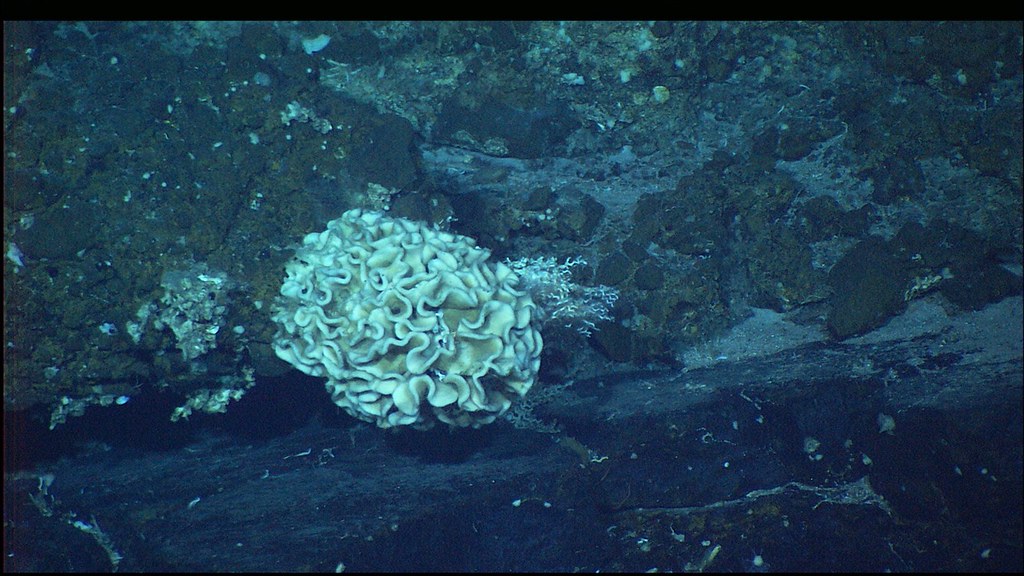
Deep under the Pacific, there are towering underwater mountains called seamounts. Some are taller than the tallest buildings on land! Their slopes are covered with coral gardens that can be hundreds of years old.
These habitats are home to glowing fish, giant squid, sponges, and tiny creatures we are only just discovering. Every expedition often finds animals that no human has ever seen before. It is like opening a treasure chest of nature.
Why Mapping Matters
Knowing what lives on the seafloor helps us protect it. If we do not know a coral garden is there, we might accidentally harm it. Good maps help leaders create safe zones where ocean animals can live in peace.
Mapping also helps keep people safe. Underwater mountains can affect ships, and understanding the seafloor helps scientists study earthquakes, tsunamis, and how the ocean carries heat around the planet.
The Future of Ocean Exploration
Right now, teams from many countries are working together with a goal to map the whole ocean floor by the year 2030. That is a big mission, but new robots and computers are making it possible.
Who knows what they will find next? Maybe a brand-new species of fish, a hidden coral forest, or a mountain no one knew was there. The ocean still holds plenty of mysteries waiting for curious minds like yours.