What is El Niño?
El Niño is a special pattern in the Pacific Ocean. Every few years, the water near the equator gets warmer than usual. The name 'El Niño' is Spanish and means 'the little boy.' Fishermen long ago gave it that name because it often appeared around Christmas.
When the ocean warms up, it changes the air above it. That can change weather far away. Some places get more rain, while others stay drier than normal. It's like the ocean is sending invisible signals to the sky.
The Mysterious Cold 'Blob'
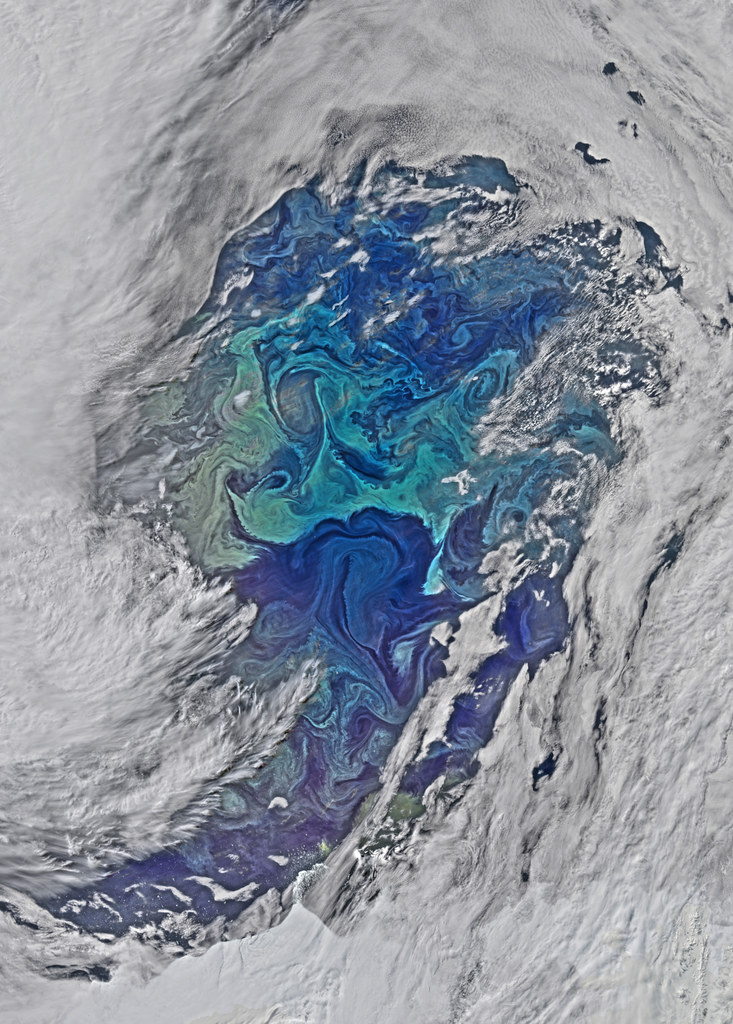
Far away in the Atlantic Ocean, near Greenland, scientists have spotted something strange. While much of the world's water is warming, this one patch is staying cooler. They call it the 'cold blob' or 'warming hole.'
Scientists think it may happen because melting ice adds lots of cold, fresh water to the sea. This can slow down ocean currents that usually carry warm water north, like a river inside the ocean. When that flow slows, the patch stays chilly.
Why Two Patches Matter
The ocean and the sky work like best friends who copy each other. When ocean temperatures change, winds and rain change too. So a warm Pacific and a cold Atlantic together can make weather harder to predict.
Think of the ocean as a giant heater for the whole planet. If one part gets too warm and another gets cooler, it shifts how heat moves around. That can affect storms, rain, and even how hot summer feels in some countries.
How Scientists Watch the Ocean
Scientists don't just guess. They use floating robots called buoys, special boats, and satellites high up in space. These tools measure how warm the water is, all day and all night.
There are even small robot floats called Argo that dive deep into the ocean and come back up to share what they learned. Together, all these tools help scientists draw a temperature map of the whole sea.
What It Means for Us
For now, El Niño and the cold blob won't change your day-to-day life much. But they remind us that our planet's oceans are always moving and changing, and they shape the weather we all share.
The good news is that scientists are watching carefully. The more they learn, the better they can warn farmers, sailors, and families about rain, storms, or dry weather ahead. Our amazing ocean still has many secrets to teach us!