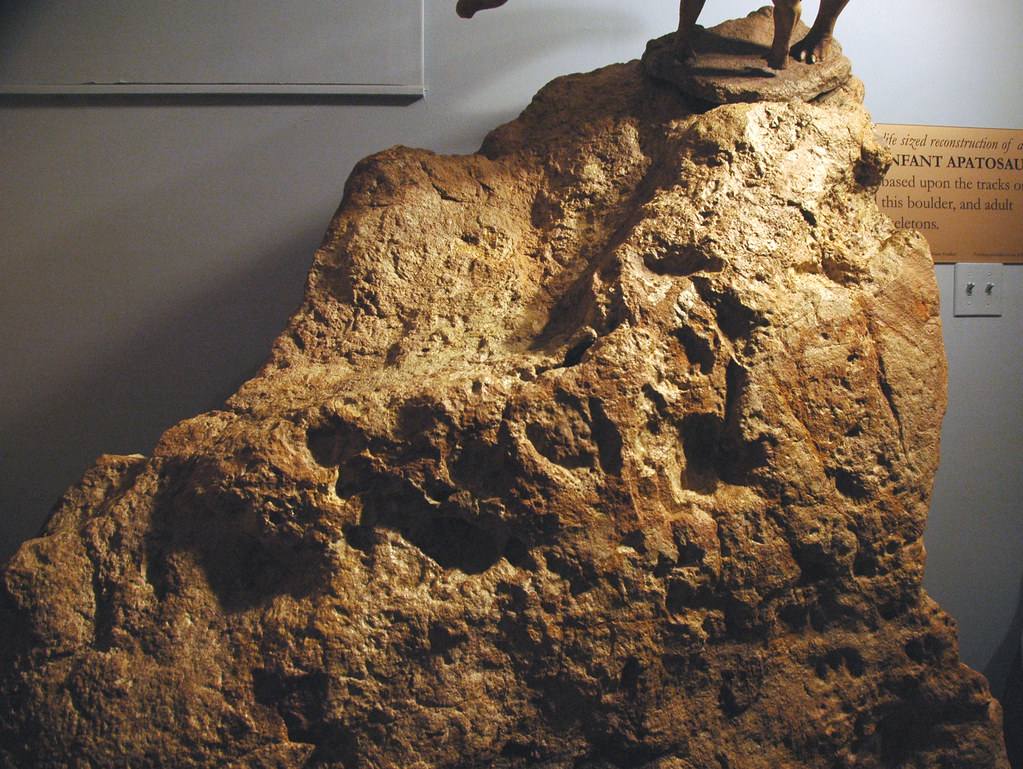
A Surprise Hidden in Stone
Imagine walking on a beach and seeing footprints in the sand. Now imagine those footprints turned to stone and stayed there for 132 million years! That is what scientists found in some very old rocks.
These footprints, called tracks, were made by dinosaurs long, long ago. The mud they stepped in slowly hardened into rock and kept the shape of their feet safe for millions of years.
Why Footprints Matter
Bones tell us what a dinosaur looked like. But footprints tell us how a dinosaur lived. They show how fast it walked, how big its feet were, and if it traveled alone or with friends.
Scientists call these track experts 'trace fossil' detectives. A trace fossil is a clue left behind by an animal, like a footprint, instead of part of its body.
Rewriting the Story
Sometimes new tracks show that certain dinosaurs lived in places we did not expect. Other times they show that two faraway lands were once joined together, because the same kinds of dinosaurs walked across both!
This is why scientists say discoveries like these can 'rewrite history.' Each footprint adds a new page to the giant storybook of our planet's past.
How Old Is That, Really?
132 million years is almost impossible to imagine. If each year were a single step, you would have to walk around the whole Earth many, many times!
These tracks come from a time called the Cretaceous period. Back then, the world looked very different, with strange plants and giant reptiles roaming around.
What Happens Next
Scientists carefully measure and photograph every track. They even make 3D computer maps so people all over the world can study them.
Each new footprint is like a puzzle piece. The more pieces we find, the clearer the picture of life long ago becomes. Who knows what amazing clue the next track will reveal?